
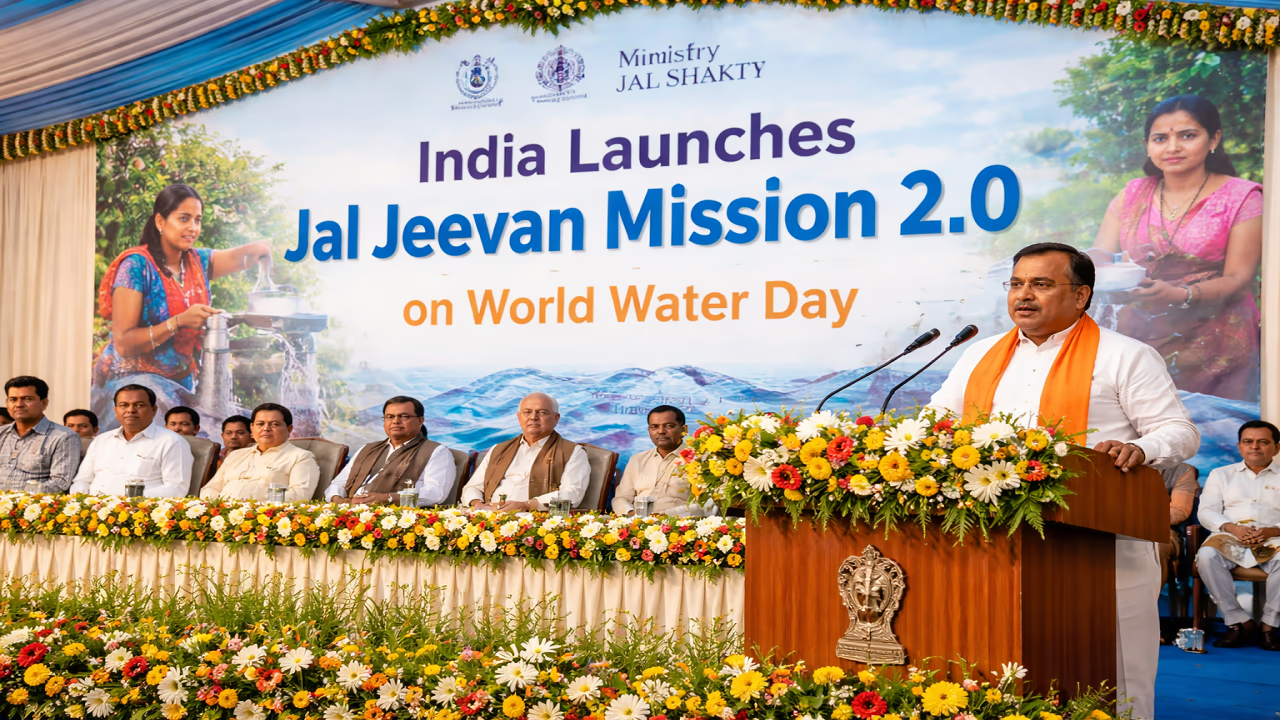
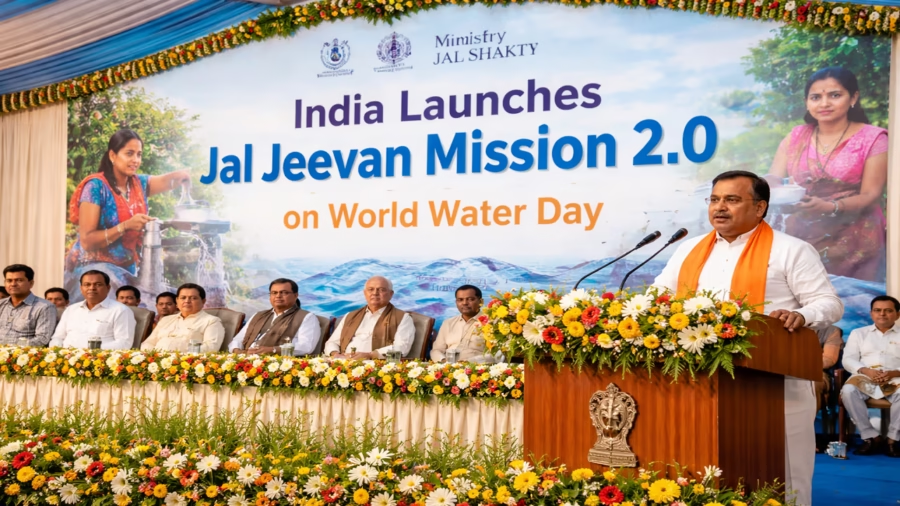
The Indian government announced the rules for Jal Jeevan Mission 2.0 at Jal Mahotsav 2026, as it was the celebration of World Water Day in India. It indicates that the government will go from infrastructure development to a permanent drinking water source for rural India. The Department of Drinking Water and Sanitation – Ministry of Jal Shakti – organised the event to bring together local officials and community members to achieve the goal of water conservation and collective action.
ALSO READ- Oscars 2026 Winners: Dramas & Viral Moments
Background and Context-
Jal Jeevan Mission ushered in a new era in drinking water access for the people of India. The extension to the mission, approved until December 2028, will allow Jal Jeevan Mission 2.0 to build upon its past successes while addressing sustainability challenges, service delivery challenges and governance challenges. The 15-day nationwide activity from March 8 to March 22, known as Jal Mahotsav 2026, helped India raise awareness regarding water conservation. Several community actors participated in the initiative through activities such as cleaning water sources, conducting awareness programs and transferring water assets to local Gram Panchayats.
Important Updates and Highlights-
The implementation of Jal Jeevan Mission 2.0 establishes a new framework for delivering water services to rural areas through improved service delivery methods.
Major Focus include:
- The mission will continue its operations until the long term, which ends in December 2028.
- The project will work towards making permanent water supply systems for rural areas, which will continue to run beyond their initial implementation period.
- The program will begin to place more importance on establishing local control through community ownership while establishing mechanisms for resource management.
- The states achieved better governance results through their implementation of Reform-Linked MoUs with their respective agreements.
- The organisation shifted its operations from building infrastructure to providing services through its new delivery system.
- The campaign promoted the concept of ‘Jal Sanchay se Jan Bhagidari’, which motivated citizens to take part in water management activities.
Government Statements and Vision-
The Union Minister for Jal Shakti, C.R. Patil, explained that the mission extends beyond its work of establishing tap connections.
The program has brought major benefits to women and children by establishing dignity and health standards while providing them with convenient access to essential services. The first phase focused on fast network development, while the second phase now requires operational capabilities, sustainable growth, and responsibility tracking. V. Somanna, who serves as Minister of State, stated that water conservation should become an important duty for all people instead of remaining a temporary campaign activity.
The community involvement during Jal Mahotsav 2026 brought about improvements, which transformed the program into a people-powered initiative, according to him. The senior officials indicate that the new rules & regulations serve as a dedicated path that helps communities make their water systems and gives safe drinking water access to their residents.
Ground-Level Impact: Voices from the Village-
The Sujal Gram Samvad event occurred as the main attraction of the program because five states sent their representatives to present actual water management experiences.
Uttarakhand:
The villagers of Pauri Garhwal reported their achievement of a 24×7 gravity-based water supply system, which functioned through active local participation in its operation and maintenance activities.
Haryana:
The residents of Ambala reported that their community efforts, together with regular water quality tests, resulted in a dependable supply of safe drinking water.
Chhattisgarh:
The villagers demonstrated that better water availability to their community made their regular daily life easy, while the people began to use water resources in a more responsible manner.
Madhya Pradesh:
Local leaders reported better ease of living for women, with increased household tap connections and improved water access. These instances showcase how Jal Jeevan Mission 2.0 is already influencing grassroots governance and community participation.
Odisha:
Community members, including students, especially girls, emphasised that a steady water supply has reduced the load of fetching water and improved hygiene and school attendance. They are now confident that they can pursue their hobby, study and lead a better life.
Important Characteristics of Jal Jeevan Mission 2.0-
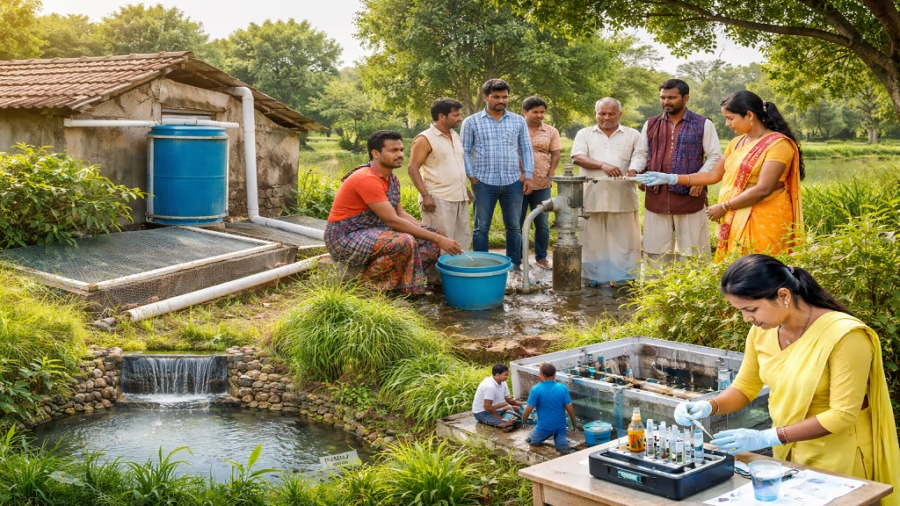
The latest guidelines introduce several reforms aimed at ensuring effective service delivery:
- The organisation offers their services according to defined performance standards, which ensure constant delivery of water throughout the entire service period. The state, district, and Gram Panchayat levels receive their respective responsibilities according to the established accountability system.
- The organisation uses source protection and water conservation methods as essential elements for its sustainable development programs. The organisation promotes local ownership of water systems to enhance community participation in their water system operations.
- The organisation conducts regular water testing to ensure that its drinking water supply remains safe for consumption. The organisation supports 3 water management techniques, which consist of rainwater harvesting and greywater management, and aquifer recharge water conservation practices.
ALSO READ- Kent Outbreak of Meningitis B
Importance and Future Effect-
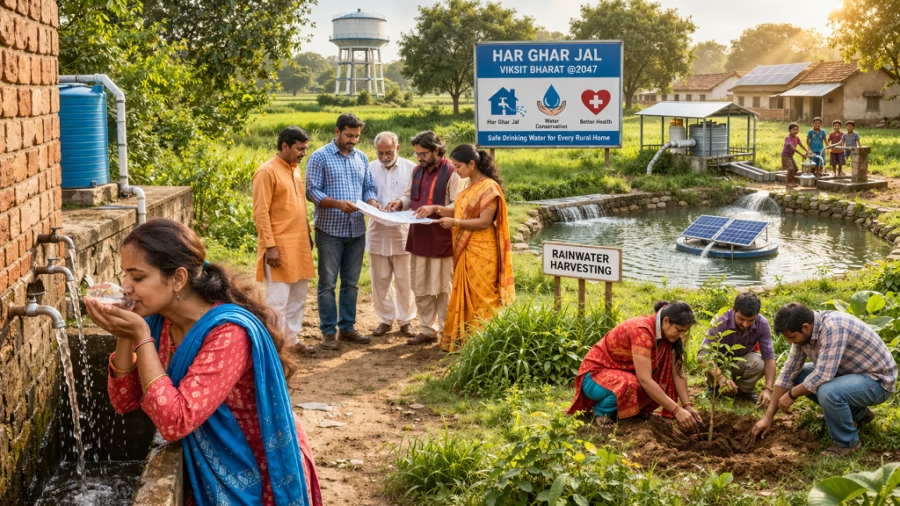
Jal Jeevan Mission 2.0 introduction marks the beginning of a new phase for India’s water management system. The mission now emphasises sustainable service operations as its primary goal, rather than its previous focus on infrastructure development.
This approach is expected to:
- Better drinking water safety will result from improved access to permanent drinking water sources.
- The local governance systems require strengthening to improve their operational capacity.
- The program will promote water conservation through community-led projects.
- The program will reduce health problems caused by water contamination in rural areas.
- The organisation works to achieve the target of Har Ghar Jal and Viksit Bharat @2047.
The drive also aligns with global efforts to boost sustainable water management, making India’s approach more inclusive and resilient.
Conclusion-
The 2026 Jal Mahotsav concluded on World Water Day in India, and this event marked the official start of Jal Jeevan Mission 2.0. It represents India’s next phase in its ongoing pursuit of sustainable water availability for all. The mission aims to deliver safe, reliable drinking water to all rural homes, which it plans to do through updated policies that seem promising. Also, it factors in community participation, and a dedication to achieving enduring results and this last part is key.
The success of this push really relies on both government efforts and community involvement; it is not a single-sided affair, because effective water management needs a shared sense of responsibility between absolutely all parties, not just some.
FAQs-
A. Jal Jeevan Mission 2.0 is basically the next phase of India’s big push to get water to rural areas. It is mainly about making sure the drinking water services are reliable and sustainable, and that is what it focuses on.
A. The idea of the campaign is to get the word out about why conserving water is so important. Also, it is about getting communities involved and making sure everyone knows what it means to manage water in a sustainable way, which is important.
A. The first phase was centred around building the pipes and other infrastructure needed to get water to people, while this phase is more about making sure the water keeps flowing, that the system is sustainable, and that people are held accountable, which seems like a pretty big shift in focus.
A. Communities are being told to take the lead in managing, maintaining, and keeping an eye on the water systems themselves. This is supposed to ensure everything keeps working well for a long time, the idea goes.
A. Conserving water means a steady supply for everyone, and it protects our natural resources. Plus, it helps create healthier living conditions in rural areas, and that is something that everyone wants. Not to mention, we need to think about future generations, too.