
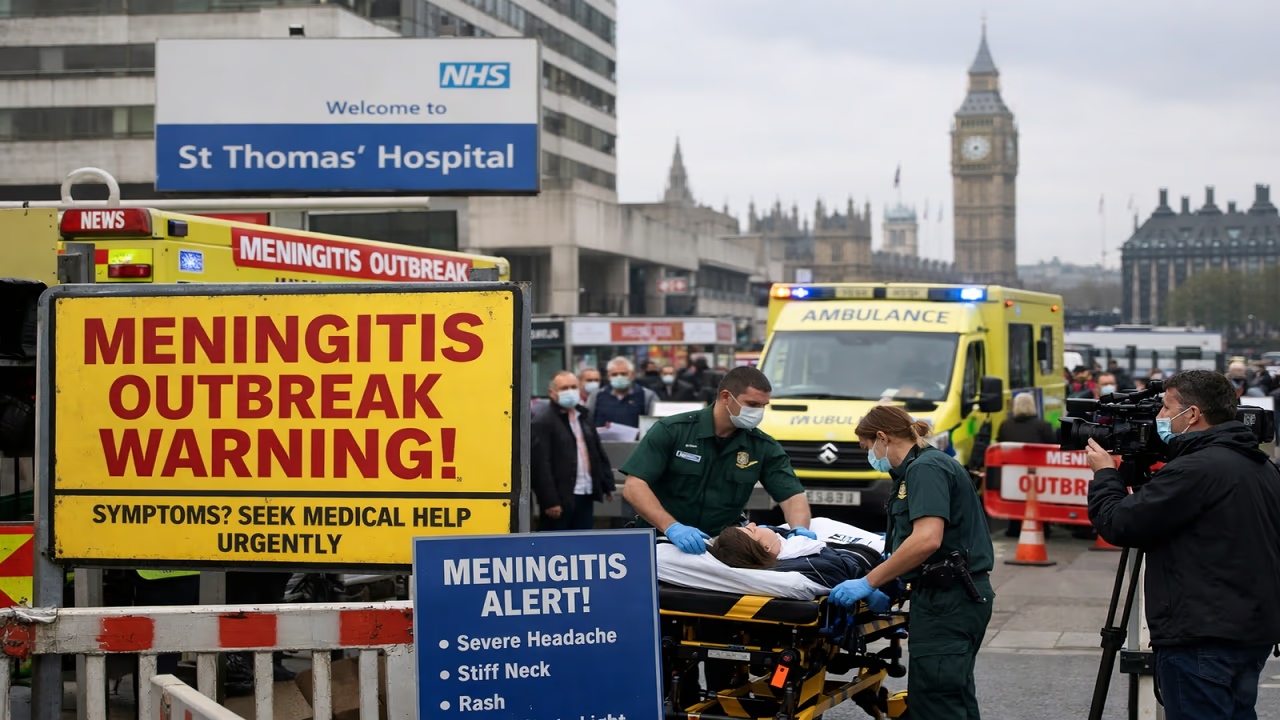
In March 2026, headlines were flooded with the outbreak of Meningitis B (MenB) in Kent, a place in the U.K. On 17 Mar, 15 cases of meningococcal disease were reported, which required immediate hospitalisation, along with 2 deaths, which led to the emergence of concerns over raising awareness and vaccinating against this disease by the medical authorities, NHS. However, new outbreaks of MenB continue to be reported among non-immune individuals, especially the young population. Read the paper on what Meningitis B is, the symptoms, mode of transmission, preventive measures, vaccines, and the response to the current outbreak.
ALSO READ- How to Survive After a Nuclear Bomb Drops?
What is Meningitis B that Spreads in the U.K.?
Meningitis B, being an infectious bacterium of the species of Neisseria meningitidis of serogroup B type, is considered a serious form of meningococcal infection that has the capability of resulting in meningitis, or the inflammation of membranes that protect the spinal cord and brain, and septicaemia, or blood poisoning.
- It is considered one of the infectious pathogens that has the capability of resulting in this infectious disease and has an epidemiology of 67.9%.
- Though the viral infection may be less serious, the bacterial infection, as in the case of MenB, has a way of progressing quickly, resulting in sepsis, failure, or death in just hours or days.
- The global incidence of this infectious disease may be variable, but the youth and infants may be more susceptible because of their lifestyles.
- It enters the bloodstream or the membranes through the throat and nose, silently replicating within the carriers, with as much as 10% of the population being asymptomatically infected.
- 15% of people prone to this infection who are untreated either develop flu-like symptoms or die, with the rest being prone to amputations, deafness, and brain damage.
The Kent Outbreak Explained-
An outbreak of invasive meningococcal disease that occurred in Canterbury, Kent, in the United Kingdom was described as “rapidly evolving” and having an “unprecedented” rate of spread. The infection has affected the younger and adult population, in which most of them were students at the University of Kent. The spread of infection can be linked to a nightclub event (Club Chemistry).
- People who visited Club Chemistry in Canterbury between 5 and 7 March 2026 were mostly affected by the infectious disease, causing 2 fatal deaths of students.
- However, authorities tried to control the situation by contact tracing of students who attended this event, and administration of antibiotics and vaccination was provided to teenagers.
- The outbreak has resulted in 15 reported cases of the disease, and some of them were reported to be positive for MenB.
- The majority of cases have been reported among young adults and students.
Symptoms of Meningitis B-
Meningitis B symptoms can be observed within a time frame of 2 to 10 days if an individual is infected with the disease, and the flu symptoms may worsen over time. Recognising the symptoms of the disease in time may protect you from an unfavourable condition.
Early Symptoms that can be identified:
- High fever
- Headache
- Vomiting
- Muscle pain
- Fatigue
- Cold hands and feet
MenB Advanced Symptoms:
- Stiff neck
- Sensitivity to light
- Confusion or difficulty concentrating
- Seizures
- Pale or blotchy skin
- Rash that does not fade under pressure
- Other symptoms involve septicaemia, which is the presence of purple spots on the limbs or trunk that cannot be pressed away by glass.
Symptoms of Meningitis B in infants include:
- Skull or brain swelling
- Irritability
- Inappetence or reduced appetite
- Feeble limbs
- High-pitched crying
The Kent outbreak highlights the importance of not taking the symptoms of Meningitis B seriously as mere flu or common cold, which can cause delays in seeking treatment. In this case, the major symptoms among teenagers and adults include the flu, which can be mistaken for a hangover due to the aftermath of a party.
How is MenB Caused?
The cause of MenB spread is through respiratory droplets that can be transmitted by coughing, sneezing, or sharing drinks or vapes, skin touch or oral contact that transfers pathogens into the other person’s body. Close, prolonged contact in the social areas, such as dorms, clubs, or homes, facilitates the spread of the disease, as carriers that are in the nose or throat unknowingly spread the disease. MenB is spread by close and prolonged contact with an infected person.
Common ways it spreads are :
- By coughing and sneezing
- By kissing or oral contact
- By sharing drinks, utensils, and/or vapes
- By living in close quarters, such as hostels and dormitories
- By smoking or second-hand smoke
The major reasons for the spread of the disease are in the following groups:
- University or college students
- The young generation and adults
- Clubbing, parties or events that involve social circles.
In the Kent case, the outbreak was traced to Club Chemistry on March 5 to 7 and the University of Kent halls, as the nightlife and crowding accelerated. Five schools in Kent and one institution in London were caught with this infection. Moreover, in the UK, the youngsters are not vaccinated periodically, which makes them more vulnerable to it, and the available vaccine is not effective against all variants.
Treatment and Emergency Response-
Meningitis B is a medical emergency that must be immediately treated for the patient’s survival. Prophylactic antibiotics can stop the spread of the disease among close contacts in an outbreak. These youngsters can:
- Adopt hygiene practices, such as hand washing, not sharing vape or bottles, and ventilation, to also reduce the risks.
- Smoking should be avoided, and colds should be treated quickly.
- UKHSA wrote to schools in Kent with advice that ill victims from this disease should be isolated in high-risk environments.
During the Kent outbreak, more than 2,500 antibiotic doses were distributed to students and contacts to prevent further spread. Kent locations provided over 700 doses to clubgoers/university residents.
Standard Treatment against MenB:
- Intravenous antibiotics for the infected or a person having symptoms.
- Hospitalisation for monitoring and treatment
- Supportive care equipment like oxygen, fluids, medications, etc.
In outbreak situations, health authorities also provide:
- Preventive antibiotics for close contacts
- Mass screening and monitoring
- Emergency vaccination campaigns
Are Vaccines Available for the Disease? How will the Government respond to the Kent Outbreak with Vaccines?
Yes, Meningitis B vaccines exist, but their availability varies depending on age and country, as these vaccines are not eligible for all variants of MenB.
- There are two MenB vaccines available: Bexsero (4CMenB) and Trumenba (rLP2086).
- These are protein-based vaccines that are licensed for ages ranging from 10 years to more than 25 years for adults and teens.
- Bexsero is specially made for infants of 2, 3 or 12 months who are routine by the U.K. in 2015. Of this vaccine, 2-3 doses for high immunogenicity, providing 73-100% protection against strains.
- Trumenba vaccines are designed for 10-25+ years of age, with 2-3 dosages for adolescents or young adults. Fever and body soreness are some of its side effects, but it helps to fight MenB in the long term. A paracetamol tablet can relieve the side effects of the vaccine.
- However, these vaccines are not routinely offered to teenagers or adults, which makes them more prone to contracting the infection.
Limitations of the Vaccine:
- Does not cover all strains of meningococcal bacteria that are not sufficient to fight the pathogen.
- Vaccinating might not have long-term effects.
- Cost issues have restricted its widespread accessibility, making it inaccessible to all teens and adults in the U.K.
U.K. Government Measures:
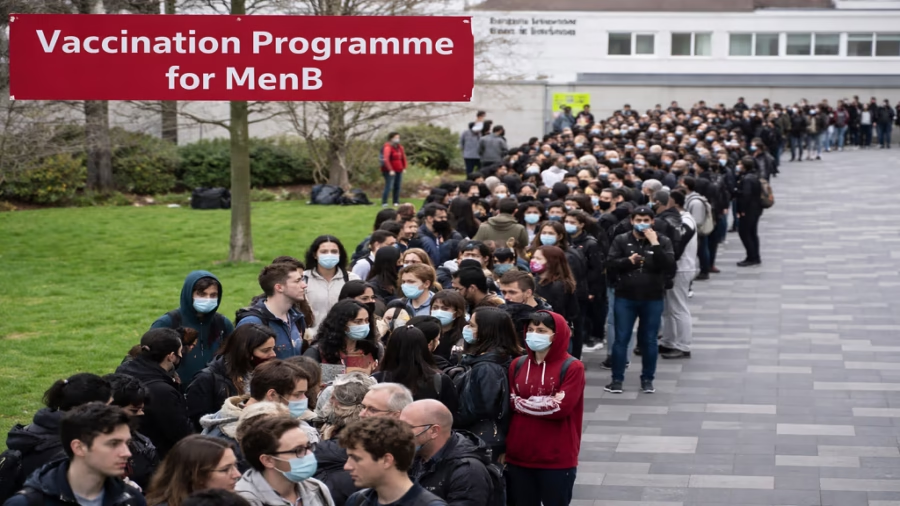
The U.K. government has immediately taken action and carried out a Meningitis B vaccine programme targeting maximum students around Canterbury Campus Halls of Residence at University of Kent. The vaccine programme targeted 5000+ students, currently mainly those who were in contact. UKHSA recommended that the students who attended the Club Chemistry be injected with preventive antibiotics as a precautionary measure. Moreover, they are expanding the coverage of the programme to control the MenB outbreak. Monitoring programmes and immediate incubation of 14 days are observed if affected or susceptible individuals are found.
Preventive Measures You Must Take to Avoid MenB Infection-
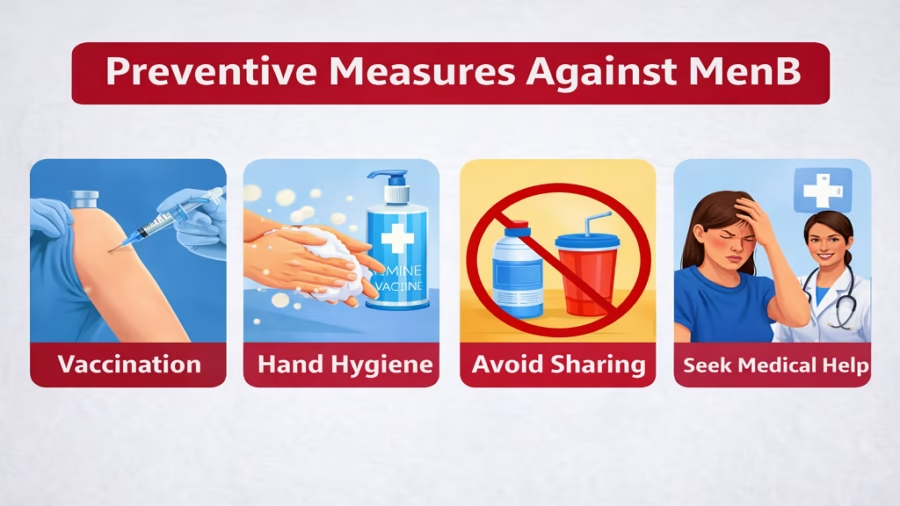
Even though the best way to get protected long-term is by being vaccinated, there are other ways of reducing the risks involved. Here are some short tips on how to protect yourself from Meningitis B:
- You should avoid sharing drinks or using any vape, as this can allow the pathogens from your mouth to get into your body.
- You should maintain good hygiene by washing your hands or using a sanitiser, as well as wearing clean clothes and eating clean, to get rid of the infection and make your immunity stronger.
- You should also cover your mouth when coughing or sneezing, as this can spread the infection through microdroplets.
- You should also get advice from doctors if you are exposed to the infected, as they can provide preventive antibiotics to fight the pathogens.
- Be aware of the symptoms; if you find any of them, consult a doctor quickly at 999.
Conclusion-
Meningitis B is a contagious disease that is lethal if not treated immediately. The recent meningitis B outbreak in Kent is a timely reminder of the rapid spread of the disease, especially among the youth who are in close contact with one another. In order to save ourselves and others, it is crucial that we know the signs of the disease, the modes of transmission, and the vaccines that are available to combat the disease. Even though the health authorities are doing their best in addressing the recent outbreak, it has become imperative that early intervention is the key to saving lives.
FAQs-
A. Meningitis B is an infectious bacterium of the species of Neisseria meningitidis of serogroup B type, which is considered a serious form of meningococcal infection that has the capability of resulting in meningitis, or the inflammation of membranes that protect the spinal cord and brain, and septicaemia, or blood poisoning.
A. On 5 to 7 March 2026, a Club Chemistry event was organised at University of Kent, where many students and adults were present. The pathogen might have spread because of physical contact, sharing drinks or smoking, that turn vulnerable and leads to the spread of infection.
A. The common symptoms of Meningitis B are:
By coughing and sneezing
By kissing or oral contact
By sharing drinks, utensils, and/or vapes
By living in close quarters, such as hostels and dormitories
By smoking or second-hand smoke
A. May or maybe meningitis B is contagious, but not highly communicable like flu or COVID-19. They are spread by physical touch or droplets transferred, but not an airborne disease.
A. The vaccine is effective against many strains of MenB but does not cover all variants. It significantly reduces the risk of severe infection.