
Due to the geopolitical tension between the US and Israel in recent months, there have been speculations of a Cold War and the possibility of Nuclear conflicts between nations. A 20 megaton explosion is enough to destroy mankind and infrastructure within a 5 m radius that are most likely to target urban areas and military ports. Air strikes, retaliatory missile launches, and the blocking of the Strait of Hormuz have created a sense of foreboding that these conflicts may indeed escalate into a much larger conflict. What if the warning is given and the attack is a surprise? This article aims to provide a survival note for escaping a nuclear fallout. Here you will get to know about the effects of nuclear bomb blasts, how to protect oneself, and even practical survival tips that may literally make all the difference between life and death.
ALSO READ- India Promotes Ocean Technology for Water Security: LTTD and OTEC Projects in Lakshadweep
What Situations are Pointing towards a Nuclear Bomb Drop?
According to news and social media, Iran is currently dominating the headlines as the biggest risk for NPT exit or weaponisation, driven by recent US strikes at Natanz and Fordow, which set back their programme by 1-2 years but seem to have strengthened their resolve. South Korea and Saudi Arabia are moving towards fissile material production with US support, and Russia is deploying tactical nukes in Belarus and reducing thresholds for their use. The NPT Review Conference in April-May could be deadlocked by attacks on nuclear facilities. These situations are pointing in the same direction towards a possible nuclear war, as the nations are showing off their military powers and strengths. Destruction may be caused if the use of nuclear weapons occurs, and the entire world may be destroyed like Hiroshima and Nagasaki in Pearl Harbour.
Hazardous Effects of Nuclear Fallout-
When a nuclear bomb drops, it releases a huge amount of energy in a matter of seconds, generating several hazardous effects that are inevitable for mankind.
- Blast Wave Effect has the power to flatten buildings, break windows, and hurl debris at incredibly high speeds. The closer the individual is to the nuclear explosion, the more damage the individual will experience.
- Thermal radiation effect generates an incredibly high amount of heat, which has the power to cause serious damage to the surroundings. It has the power to ignite the clothing of an individual or even blind the individual if he or she looks at the explosion.
- Radiation effect occurs in two different forms, spreading over a large region. The wind patterns determine the direction of radiation effects at the exact moment of the explosion, while the radioactive fallout occurs.
- Although it is not possible for a human being to survive the area of nuclear explosion, as the after effects, such as debris, waves and radiation, get spread over the area, however, it’s possible to take immediate steps for minimal damage.
How Dangerous Can these Radiations Be?
Acute sickness after the nuclear drop can also result from high levels of radiation exposure. The symptoms of acute radiation sickness when contaminants enter the body include the following:
- Nausea and vomiting
- Fatigue
- Weakness and tiredness
- Burns, stains or rashes on the skin
- Hair loss or fragile hairs
- Fever or infections
However, these symptoms are experienced only if there is a high level of exposure. Those who are in the right shelter during the critical fallout period have reduced risk. Medical treatment is also required in some cases, and so it is very important.
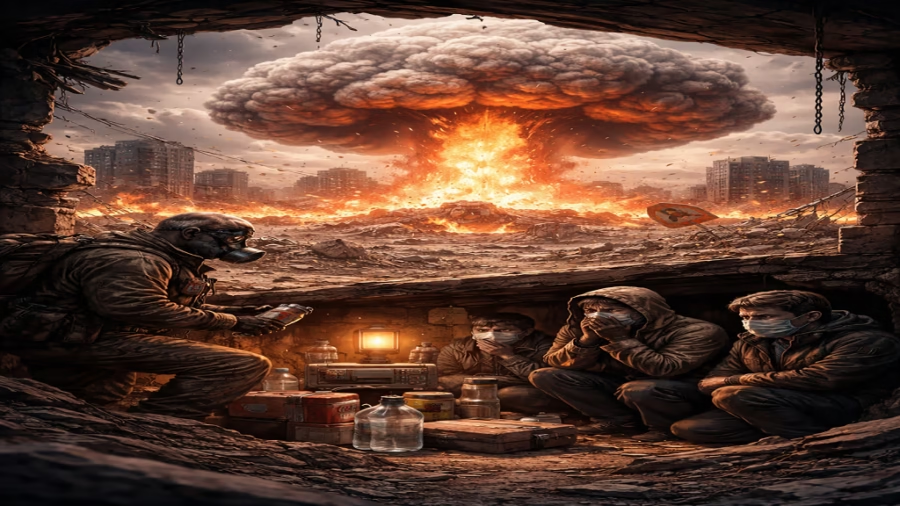
Hiding Out Immediately: How to Find a Safe Shelter?
- Finding proper shelter is one of the most crucial tasks that should be carried out quickly to protect yourself from the effects of nuclear drops because radioactive fallout starts falling within minutes. The best hiding shelters from nuclear attacks include:
- Underground basements or terminals
- Subway or underground parking
- Concrete buildings
- Rooms with thick walls and fewer windows
- The best principle for finding shelter is distance and shielding. Keep yourself away from open areas to experience less exposure to nuclear effects, as they can spread vigorously in areas with no obstacles.
- However, if you are outside the building when the explosion happens, fall flat on the ground immediately with your head down to protect yourself from the debris and the flash heat of the nuclear explosion that can have instant effects on you.
- If you don’t have a proper shelter, you can build underground hideouts or basements to protect your family under your house.
- After seeing the passage of the shockwave that can travel up to 900 miles and cause as much damage as 9 times a strong hurricane, run inside as quickly as possible or dive immediately away from the impact.
Major Preventive Steps to Ensure You Are Protected from Nuclear Radiation-
- Water and Food Resources must be preserved: Nuclear exposures can also contaminate food and water supplies, especially if they are exposed to fallout, because the atmosphere is filled with toxins. Keep your consumption resources safe by:
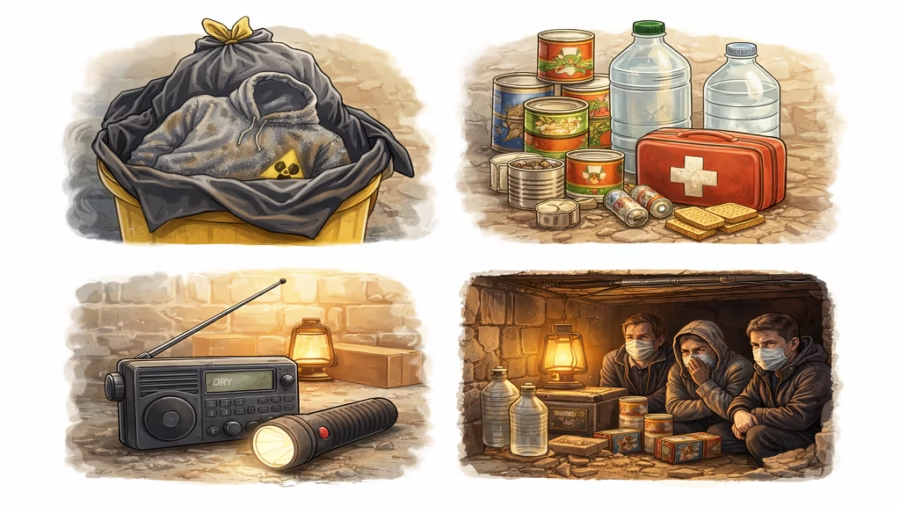
- Eat stored food from sealed containers.
- Use on sealed bottled water or water from containers that have been closed and kept away from nuclear exposure.
- Food exposed to radioactivity must not be touched or used, as it can be dangerous, affecting your body system.
- Packaged preserved foods, canned items, are considered safe as long as their packaging does not leak anywhere.
- Wipe and clean the food and water lids or bottles before opening them, as radiation and particles may be stuck to the outside surface.
- Stay Indoors After Fallout: After the occurrence of the large radioactive cloud fallout, you should stay indoors and seal it for the next 24 hours, as the air will contain toxins and minute particles that can cause damage to the organs of the body and also, disabilities for newborn babies. You should not leave your shelter during this time. This time may be for a short time, but exposure to the radioactive particles can cause radiation sickness and other complications. Either you can move about in the centre of the building lowest-level areas, like the basement and no window rooms.
- Dispose of Contaminated Clothing with Care: During a nuclear explosion, the clothes are the first to catch radiation and harmful substances that can be deadly. The first step in this process of removing contaminated layers after an explosion is:
- Carefully remove the outer clothing and then the other layering pieces. Wear gloves to ensure safety.
- Put them in a sealed plastic bag so that contaminants won’t be exposed or touched by naked skin.
- Dispose of the bag away from residential areas. This is because alone clothes contain 92% of nuclear radioactive material.
- Remove the Radiation Particles from Body: After you have removed the clothes and disposed of them, it’s time to cleanse your body and remove the radioactive particles present on your body due to the explosion. This is how you should prevent your body from the entry of toxins:
- Take a bath using soap and lukewarm water.
- You should not use conditioners, as they may absorb the radiation particles, and the particles may be absorbed by the hair scalp area of your body.
- You should wash your hands, face, hair, etc., thoroughly. You should wash your pets if they have gone outside and are now back at your shelter area.
- Keep your Ears on Emergency Broadcasts: In the case of a nuclear emergency, important announcements are communicated by the government and emergency agencies through radio, television, and mobile phone. Battery-powered or hand-cranked radios can be very useful in an emergency when the electricity supply is interrupted. Authorities’ information includes:
- Safe routes for evacuation and other related details
- Areas facing severe radioactive exposure
- Announcements for emergency shelters and distribution of aid to the affected.
- Hear out and follow the news and instructions from the forces and emergency agencies to get an idea about the radiation pattern that depends on wind direction and weather conditions.
Conclusion-
Rising geopolitical tensions between different nations like the US, Iran, Israel and Russia can escalate and lead to uncertain, disastrous results, as the use of nuclear weapons is still present in today’s warfare. The need to know how to respond to a nuclear disaster that may or may not be possible in the near future is important for the sake of safety and to protect humanity. Though we hope that such a critical situation does not happen, being informed about the preventive measures can keep you away from some damage. Though radiation can’t be controlled immediately, keeping yourself calm, taking quick action, and staying informed are all factors that will help one survive the dangerous effects of a nuclear explosion.