


As per the reports, there are 1.7 million cases of Sepsis in the United States (leading to 350,000 deaths) and 250,000 victims in the UK. One such case of Manjit Sangha, a 56 yrs old woman who lived in Penn on the border of Wolverhampton and Staffordshire, who developed Sepsis after being licked by her pet dog on a small cut. Unfortunately, after 32 weeks of fighting the ailment, Manjit lost her four limbs after a quadruple amputation, caused by Sepsis.
A UK woman’s life was turned upside down could never have imagined that playing with her dog and the innocent act of the dog licking her would result in the worst nightmare of her life. From this case, let’s understand what Sepsis is and know about the symptoms, causes, treatment & preventive measures of this illness.
ALSO READ- National Monetisation Pipeline 2.0 Launched
What Is the Sepsis That Manjit Suffered From?
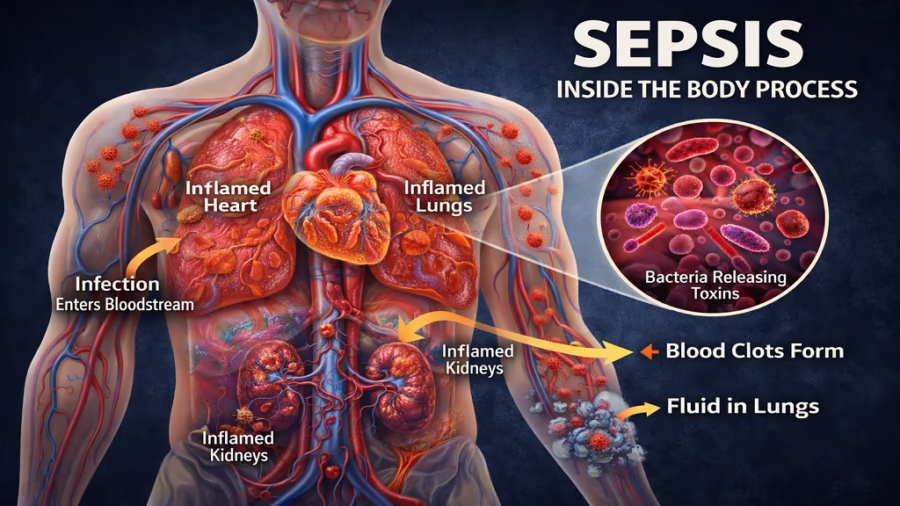
Sepsis, the deadly ailment that Manjit Sangha suffered, if not treated in time. In response to an infection, the illness can result in organ failure or tissue damage. Sepsis mainly occurred by bacterial infection that enters the body of the host through the skin. The other sepsis agents, including parasitic, fungal, and viral infections, may lead to sepsis. It happens when dysfunctionalune system, instead of fighting the foreign element, triggers the immune system, leading to inflammation.
The Three Stages of Sepsis are:
- Sepsis: Sepsis is an infection that gets into your bloodstream and causes inflammation in your body through cuts or wounds, when the body’s immunity triggers.
- Severe sepsis: When the Sepsis starts affecting the body organs and tissues, and hampers their functionality. At this time, sepsis gets severe.
- Septic shock: This is a serious complication of sepsis and results in a drastic reduction in blood pressure, and can cause complications such as:
- Organ failure, Respiratory failure or cardiac failure
- Stroke
- Possible death
Common Causes of Sepsis-
Sepsis infection can start in many different parts of your body. As recommended by the National Institutes of Health, sepsis occurs when your body overreacts to an infection, and it goes into overdrive, which can damage organs in the body, affect blood flow, and, in the final stages, cause septic shock and death.
Even a small cut, like Manjit’s, can cause sepsis if the bacteria enter your bloodstream and the immune system is unable to fight back the infection.
Affected parts due to the bacterial or other infection, when the person triggers sepsis, are:
- The respiratory system, which leads to pneumonia, is infected in the lungs.
- Sepsis infections in the gall bladder or kidneys, especially when the individual is suffering from a catheter.
- Just like Manjit, sepsis took place as the bacterial infections entered the body through wounds or from cellulitis, the skin’s connective tissue.
- Appendix (appendicitis), abdominal cavity (peritonitis), gall bladder, or liver that are linked to the gastrointestinal system may also be affected.
- When the bacterial infection attacks the brain or spinal cord, the CNS gets stimulated due to sepsis.
Symptoms to Identify When Sepsis Begins to Develop-
In adults, sepsis may show symptoms such as:
- A person with high BP and body trembling due to low temperature.
- In this condition, the heart rate is faster, and breathing is quicker than normal.
- The person may feel mixed up or lost.
- The person may feel after a few weeks.
- A person suffering from low blood pressure.
- When the person pees unusually,
- Patchy skin or feeling cold at the ends of the body are possible signs.
Ignoring these warning signs can lead to terrible results like Manjit, who suffered from quadruple amputation (lost 4 limbs).
Sometimes the infant suffers from sepsis and gets a blood infection within the first month. This is neonatal sepsis.
Symptoms that are found in infants for neonatal sepsis may include:
- The baby does not take food well
- Irritability & lethargy
- difficulty breathing
- Fever or jaundice
- Skin turns blueish.
What Preventive Measures to Avoid Sepsis Risk?
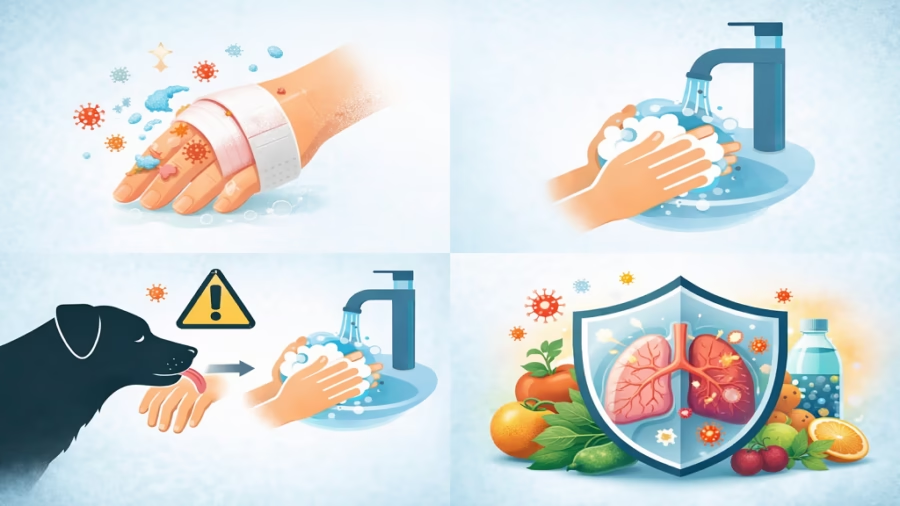
Sepsis should be handled with caution and honesty, as a single mistake can cause serious consequences. If the disease is not handled properly, it can move to advanced levels like severe sepsis and septic shock. Before that happens, you can prevent the sepsis itself at the root:
- By maintaining proper hygiene, like washing your hands
- Ensure proper care of cuts and other wounds by keeping them clean and covered until they are healed
- Getting regular medical care for chronic problems
- Seeking immediate medical care if you think you have an infection
Risk Factors of Sepsis-
Some of the risk factors that may result in infection, resulting in sepsis, include:
- 65+ years old and newborns have delicate bodies, and they may be exposed to sepsis easily if not taken care of.
- People with weak immunity.
- Cancer treatment patients or HIV (Human Immunodeficiency Virus) infected persons.
- Patients with chronic illnesses like diabetes, renal disease, or Chronic Obstructive Pulmonary Disease (COPD).
- Patient admitted to ICUs or hospitalised for a long time
- Those with devices inserted into their bodies, for example, catheters in the veins referred to as intravenous or breathing tubes.
- Person medicated with antibiotics for approx. 90 days.
- Patient that are undergoing corticosteroid doses, which can weaken the immune system.
ALSO READ- How to Become a Pilot in India (2026)?
Doctor Prescribed Treatment for Sepsis-
Sepsis treatment needs to start immediately. If your provider diagnoses a patient with the condition, they may be recommended to the Intensive Care Unit (ICU) for special treatment.
Sepsis treatments have:
- Antibiotics are required to treat the bacterial infection.
- IV fluids help to keep blood flowing to your organs. It will also help to keep blood pressure from becoming too low.
- Vasopressor medications constrict blood vessels that help the patient to achieve a normal blood pressure.
- Care systems for supporting the failing organs of the septic-affected person.
- Reducing inflammation in sepsis-affected areas with corticosteroids.
- Painkillers help in relieving from bodyache.
- Severe sepsis require high amount of IV fluids and a respirator for ease in breathing.
- Affected kidneys are treated with dialysis to filter out blood.
- In extreme cases, surgery is required to remove the origin of sepsis infection, which includes draining a pus-filled abscess or removing infected tissue.
- Surgery may be advised by a doctor for tissue removal that is damaged due to sepsis.